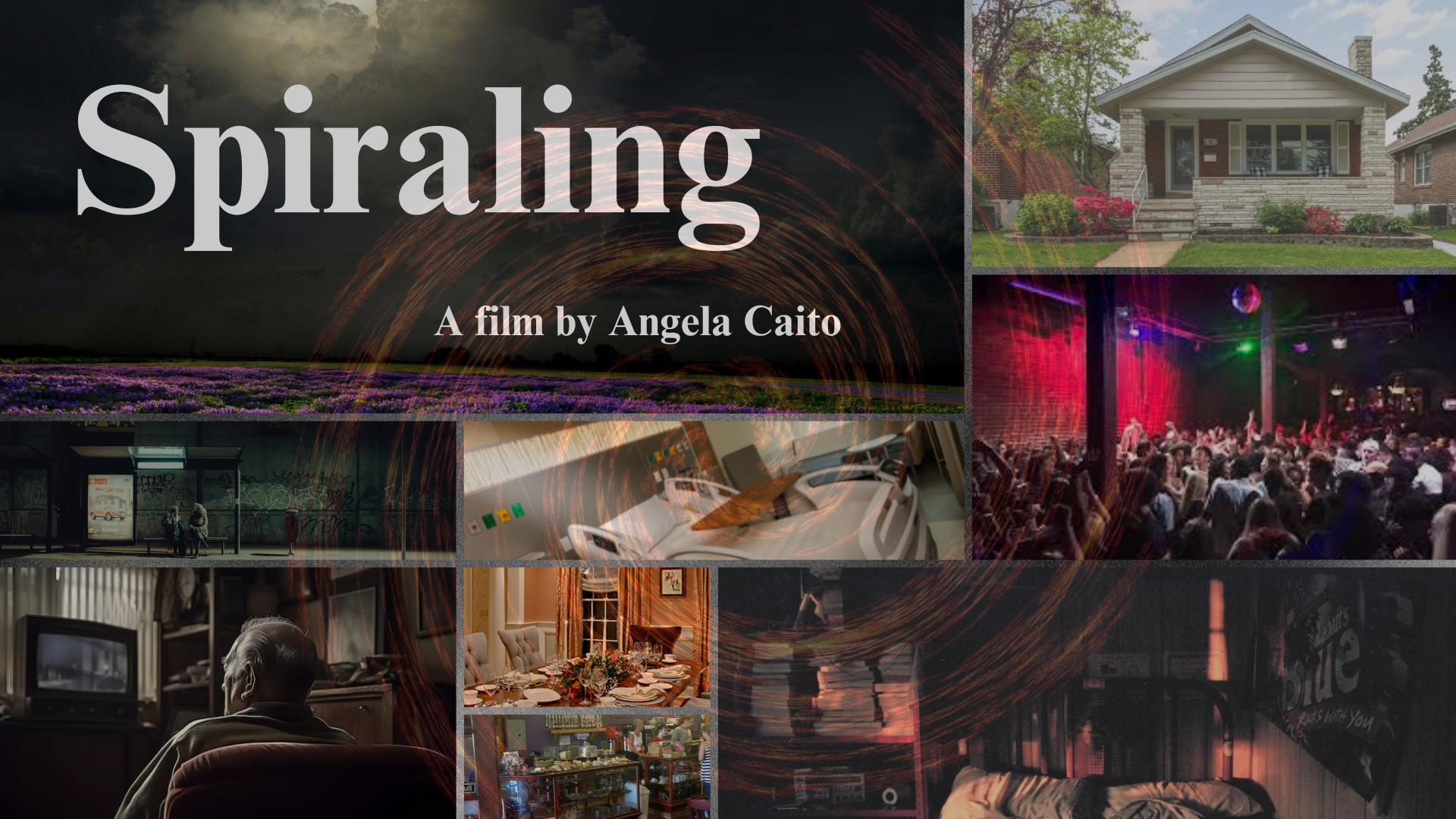
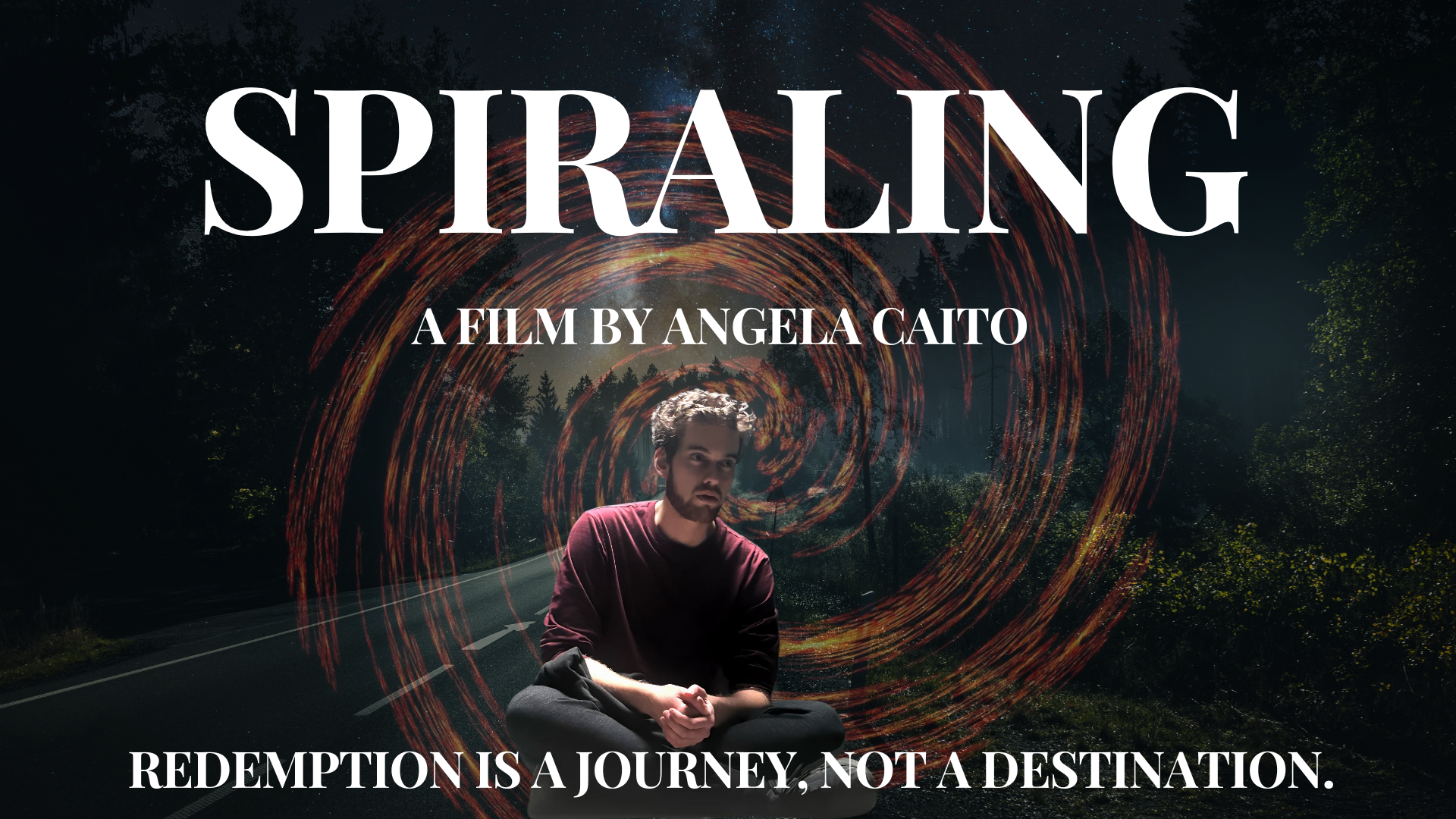
Spiraling is more than a film. It is a powerful, faith-driven story about addiction, loss, second chances, and the kind of grace that reaches people right where they are. When we filmed the proof of concept in Bristol, the community response was overwhelming. People shared their own stories of struggle and healing, reminding us why this movie needs to be made.
We are now raising the funds to move into full production, and every contribution truly makes a difference. If you believe in stories that offer hope and remind people they’re not alone, we would be grateful for your support.
This promotional video is part of my ongoing work to document the development of Spiraling and the leadership behind the project. In addition to writing and directing the film, I have been actively building the cast, coordinating with crew, managing production planning, and engaging with the local community to support the project. These updates are included to show real progress and transparency as Spiraling moves toward full production, while giving viewers a behind-the-scenes look at the work that goes into independent filmmaking.
Ready to take your acting career to the next level? Spiraling Film Productions LLC is bringing you the Take One: Virtual Acting Seminar on October 25 & 26. This event is two full days of classes with top coaches, agents, and casting pros.
We’re currently offering the entire weekend of training for only $50!
You landed the role. The table read went great. You even started filming. But then, suddenly, you’re not in the movie anymore. Welcome to Hollywood, where getting cast is exciting, but staying cast is a whole different challenge.
Recasting happens more often than most people realize. Sometimes it’s before filming starts. Other times, it happens mid-shoot. Scenes get reshot, trailers are quietly updated, and fans are left wondering why a character suddenly looks like they switched bodies, and sometimes personalities too.
There are a lot of reasons actors get replaced. Some are business decisions, and others are about performance. In many cases, the change isn’t even personal. It’s about finding the best fit for the story.
Let’s talk about why actors really get recast and look at some well-known examples that might surprise you.
The Role Is Emotional, and Not Every Actor Can Go There
Some roles require actors to dig deep emotionally, and not everyone is built for that kind of vulnerability. A director might realize after filming starts that the actor isn’t connecting with the emotional heart of the character. Maybe they nail the action scenes or have great timing, but when it comes to heartbreak, trauma, or moments of raw intensity, it just doesn’t land.
That’s exactly what happened with Harvey Keitel in Apocalypse Now. He was originally cast as Captain Willard and had already started filming. But director Francis Ford Coppola felt something was missing. Keitel wasn’t capturing the internal struggles the role demanded, so Coppola made the incredibly difficult call to replace him with Martin Sheen. It was a risky move, but Sheen’s performance turned out to be one of the most iconic in film history.
Sometimes Experience Really Does Matter
There are times when an actor just isn’t quite ready to carry a lead role. Maybe it’s their first major project, and the pressure shows. That lack of experience can actually make it hard to bring on bigger names or secure the funding needed to keep a production going. It’s not always about talent. It’s about timing and being able to shoulder the responsibility that comes with a lead role.
In some cases, when a lead role doesn’t work out, the actor may still be offered a different part in the project. It’s often one that’s a better fit for where they are in their career. That way, they still get to be involved, and the production stays on track.
Famous Recasts You Might Not Have Noticed (or Totally Did)
Some casting changes are so smooth, they slip right past you. Others are so obvious, they stop you mid-episode. Here are some of the most talked-about recasts in film and TV history.
Daario Naharis in Game of Thrones Ed Skrein first played the charming mercenary. Then, without warning or explanation, Michiel Huisman took over the role. Fans definitely noticed, but Huisman’s smooth delivery quickly won people over.
Becky Conner in Roseanne This is probably one of the most memorable recasts in sitcom history. Lecy Goranson played Becky, then Sarah Chalke stepped in. Then Lecy returned, and then Sarah came back again. The show eventually embraced the chaos and poked fun at it, turning confusion into comedy.
The Hulk in the Marvel Universe Edward Norton played Bruce Banner in The Incredible Hulk. But by the time The Avengers hit theaters, Mark Ruffalo had taken over. Norton’s departure reportedly came down to creative differences, while Ruffalo brought a more down-to-earth, team-friendly version of the character.
George McFly in Back to the Future Part II Crispin Glover didn’t return for the sequel, so filmmakers used a combination of old footage and a lookalike actor. That decision led to a landmark lawsuit about using an actor’s likeness without permission and changed how contracts are written in Hollywood.
Ann Veal in Arrested Development Michael’s girlfriend Ann who was known mostly for being forgettable, was first played by Alessandra Torresani. Later, Mae Whitman stepped in. The switch actually worked in favor of the joke. She was so forgettable, even her actress changed.
Jesus Foster in The Fosters Jake T. Austin played Jesus in the early seasons. Then, when he left the show, Noah Centineo took over. Not only did fans embrace him, but the character actually became more popular with the new casting.
Kate Kane in Batwoman Ruby Rose left the show after the first season. Rather than recast the same character, the writers introduced a brand-new Batwoman, Ryan Wilder, played by Javicia Leslie. It gave the show a fresh perspective and opened the door for new storylines.
Darrin in Bewitched Dick York originally played Darrin Stephens until health problems forced him to step away. Dick Sargent took over the role, and while fans noticed, the magic of the show kept going strong.
Carol from Friends Ross’s ex-wife Carol was played by Anita Barone in her first appearance, but Jane Sibbett stepped in shortly after and played Carol for the rest of the series. Barone reportedly left to pursue other roles, and Sibbett brought warmth and humor to the character.
Meg Griffin in Family Guy In the show’s first season, Meg was voiced by Lacey Chabert. Mila Kunis took over the role after that and gave Meg her now-signature awkward teen energy.
Jason in Pretty Little Liars Jason DiLaurentis was first played by Parker Bagley, then recast with Drew Van Acker, who brought a more mysterious and brooding vibe to the character.
It’s Not Always About Drama
Sometimes actors are replaced for simple, practical reasons. They may have scheduling conflicts. They might leave a project because of personal choices or health issues. Other times, the writers decide to take a character in a new direction that no longer fits the original actor’s style.
It’s not always messy. In fact, many of these decisions happen quietly and professionally behind the scenes. And when it’s handled well, audiences often don’t even mind. Or they end up loving the new version even more.
Some of the best-loved performances in TV and film history only happened because someone else stepped aside or was let go. Mark Ruffalo as the Hulk. Mae Whitman as Ann Veal. Martin Sheen in Apocalypse Now. These performances helped define their characters and took the projects to a whole new level.
What We Can Learn from These Recasts
Being recast is tough, both for the actor and the team behind the scenes. But sometimes it’s the right call. Whether it’s due to emotional depth, experience level, creative direction, or practical challenges, recasting is a common part of filmmaking.
And often, it ends up being one of the smartest decisions a production can make. After all, storytelling is all about connection. If an actor isn’t connecting well with the role, or the audience, it might just be time to pass the torch.
So the next time your favorite character suddenly looks a little different, don’t be too quick to judge. You might be witnessing the start of something even better.
Like these behind-the-scenes stories? Stick around for more insights from the world of movies, TV shows, and all the unexpected things that happen before a film ever hits the screen.
We’re excited to announce that Spiraling is now officially partnered with the nonprofit Journey to Impact as our fiscal sponsor! This means your donation is 100% tax-deductible and will directly help us bring this powerful, faith-driven film to life.
Every contribution moves us closer to production, allowing us to tell a story of hope, redemption, and transformation. This film will inspire audiences everywhere.
✨ Donate today and be part of something truly impactful! ✨
So, you want to be an actor? That’s awesome! Whether you dream of starring in blockbuster films, stealing scenes on TV, or performing on stage, one thing is certain. You need a good agent. The right agent can get you auditions, negotiate your contracts, and help you build a real career in the industry. But here’s the thing. Not every agent is legit, and plenty of so-called “agents” are just looking to take advantage of eager newcomers.
If you are just starting out, it is easy to fall for the wrong person. Some agents will overpromise, charge ridiculous fees, or worse, waste your time without ever landing you a single audition. Let’s talk about the biggest red flags to watch out for and how to actually find an agent who will help you succeed.
If They Ask for Money Upfront, Run
This is one of the biggest scams out there. A real agent makes money when you make money. They earn a percentage of what you book, usually around 10 to 20 percent, which means they have a real reason to help you land roles. If someone calls themselves an agent but asks for money upfront, whether it’s for headshots, a website, or some kind of “registration fee” then you should walk away. That is not how real agents work.
Legit agents believe in their clients. They invest their time in getting you auditions and only get paid when you start booking jobs. If someone is asking for money before they have done anything for you, they are not an agent. They are just running a business that profits off actors without ever getting them real work.
No One Can Guarantee You Work
Any agent who promises you’ll land roles, especially big ones, is lying. Acting is competitive. Even well-known actors audition for roles and don’t always get them. A good agent can get you in the room, but it is your talent, training, and look that will determine whether you book the job.
A real agent will be upfront with you about the challenges of the industry. They will encourage you, help you find the right roles to audition for, and give you honest feedback. But if someone is making big promises or guaranteeing success? That is a scam, plain and simple.
Do Your Research Before Signing Anything
Before you sign with an agent, do some digging. Look them up online. Check if they are affiliated with reputable industry organizations like SAG AFTRA. Read reviews. Ask other actors if they have heard of them.
A good agent will have a strong track record and real working actors on their roster. If you can’t find anything about them, or worse, you find complaints and bad reviews, that is a bad sign. You don’t want to get stuck with someone who does nothing for your career or, even worse, damages your reputation.
Know the Difference Between an Agent and a Manager
A lot of new actors confuse agents and managers, and some shady people take advantage of that. Agents are the ones who get you auditions and negotiate your contracts. Managers, on the other hand, focus on career guidance, branding, and overall strategy.
Here is where things get tricky. Some managers charge upfront fees, which can be normal, but no real agent should ever ask you for money. If someone who is calling themselves an agent is charging a monthly or annual fee, they are not really an agent. They are either a manager or just someone looking to make money off hopeful actors without actually helping them book jobs.
Be Careful About Signing an Exclusive Contract Too Soon
Some agents will try to lock you into a contract that prevents you from working with anyone else, even if they are not actually sending you out for auditions. While exclusive contracts can be a good thing later in your career, new actors should be careful.
If you do sign an exclusive contract, make sure there is a reasonable way to get out of it if the agent is not doing their job. You do not want to get stuck with someone who isn’t helping you move forward but won’t let you go work with someone else. Always read the fine print before signing anything.
How to Start Booking Work Before You Have an Agent
If you are brand new to acting, don’t stress about finding an agent right away. Instead, focus on building experience so that when you do start looking for representation, you have something to show.
Here are some great ways to start booking work on your own:
Audition for student and indie films. Film schools and independent filmmakers are always looking for actors. These projects give you on-camera experience and can help you build your reel.
Join local theater productions. Theater is great for improving your acting skills and looks good on your resume. Plus, casting directors love actors with stage experience.
Sign up for casting websites. Websites like Backstage, Actors Access, and Casting Networks post tons of auditions for commercials, independent films, and even major projects.
Network like crazy. Go to acting workshops, industry events, and film festivals. Many roles come from connections, and the more people you meet, the better your chances of hearing about opportunities.
Get professional headshots. A high-quality headshot is your calling card in this industry. Make sure yours is professional, natural-looking, and shows your personality.
How to Actually Find a Legit Acting Agent
Once you have some experience under your belt, you can start looking for representation. The best way to find a legit agent is through research and recommendations.
Here’s how to do it:
Look for agencies that represent actors at your level. You can find lists of reputable agencies through SAG AFTRA or by looking at actors with similar looks and career paths to yours.
Submit a professional package. Your submission should include a well-written cover letter, a polished resume, a professional headshot, and if possible, a demo reel.
Follow up, but don’t be annoying. Agents get tons of submissions, so if you don’t hear back right away, don’t panic. A polite follow-up email after a couple of weeks is fine.
Be ready for an interview or audition. If an agent is interested, they might invite you to meet in person or self-tape a monologue. Treat this like a job interview—be professional, prepared, and ready to show them why you are a great actor to represent.
Just a Thought
Finding the right agent is a big deal, but it is not something you should rush into. Take your time, do your research, and trust your gut. If something feels off, it probably is. A great agent will believe in you, work hard to find you opportunities, and help you grow as an actor.
The entertainment industry is tough, but with the right people on your side, you can absolutely make it. Stay patient, keep improving your craft, and keep putting yourself out there. The right agent, and the right opportunities, will come when the time is right.
Exciting Opportunity: Be Part of the Film Spiraling
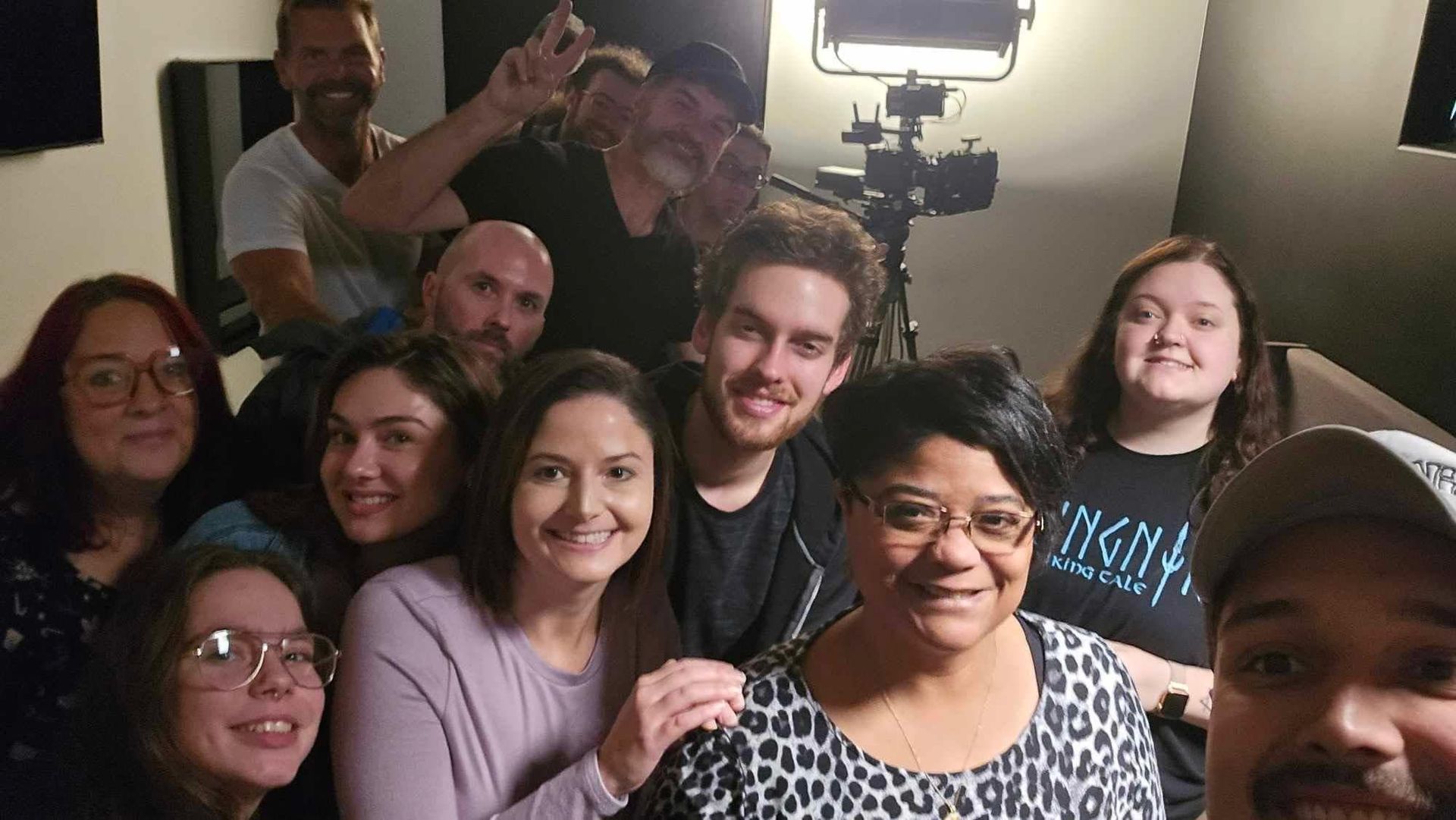
Director of Photography, Jeff Green )seated, left), along with sound mixer, Max Wilson and Actors Brian Scott Gilmore (In bed), and Jared Ivey (chair) film a scene for the Proof of Concept video for the Spiraling Movie.
If you’re an actor looking for your next project or a film professional interested in getting involved in a meaningful story, we’d love to connect with you. Spiraling is an upcoming feature film that tackles addiction, redemption, and faith in a way that resonates deeply with audiences. We are currently looking for Executive Producers and Producers who want to be part of bringing this powerful story to life.
Closer to production, we will also be casting for supporting roles and extras, so keep an eye out for announcements. This is an incredible opportunity to be part of a film with heart, purpose, and a message that matters.
If you’re interested in getting involved, reach out today and let’s make something unforgettable together!
Johnson City, TN – February 7, 2025 – A powerful faith-based feature film, Spiraling, has been gaining attention from the local community for its deeply moving story of addiction, redemption, and second chances. The film still needs funding to make it to the big screen and online streaming services.
Written and directed by Tennessee-based filmmaker Angela Caito, Spiraling follows Kevin Ashbury, a young man struggling with the guilt of his family’s tragic death and a battle with addiction. His path to redemption is led by faith, friendship, and love. This story will correlate with the real-life struggles that countless individuals who are facing similar challenges go through.
The film has a dedicated cast, including actors Jared Ivey, Walter J. Buck, Anna Parsons, Jeni Lamm and Brian Scott Gilmore, and a growing community of supporters, but has yet to secure funding for production. Caito and her team are now reaching out for investors, sponsors, and community support to bring this impactful story to life.
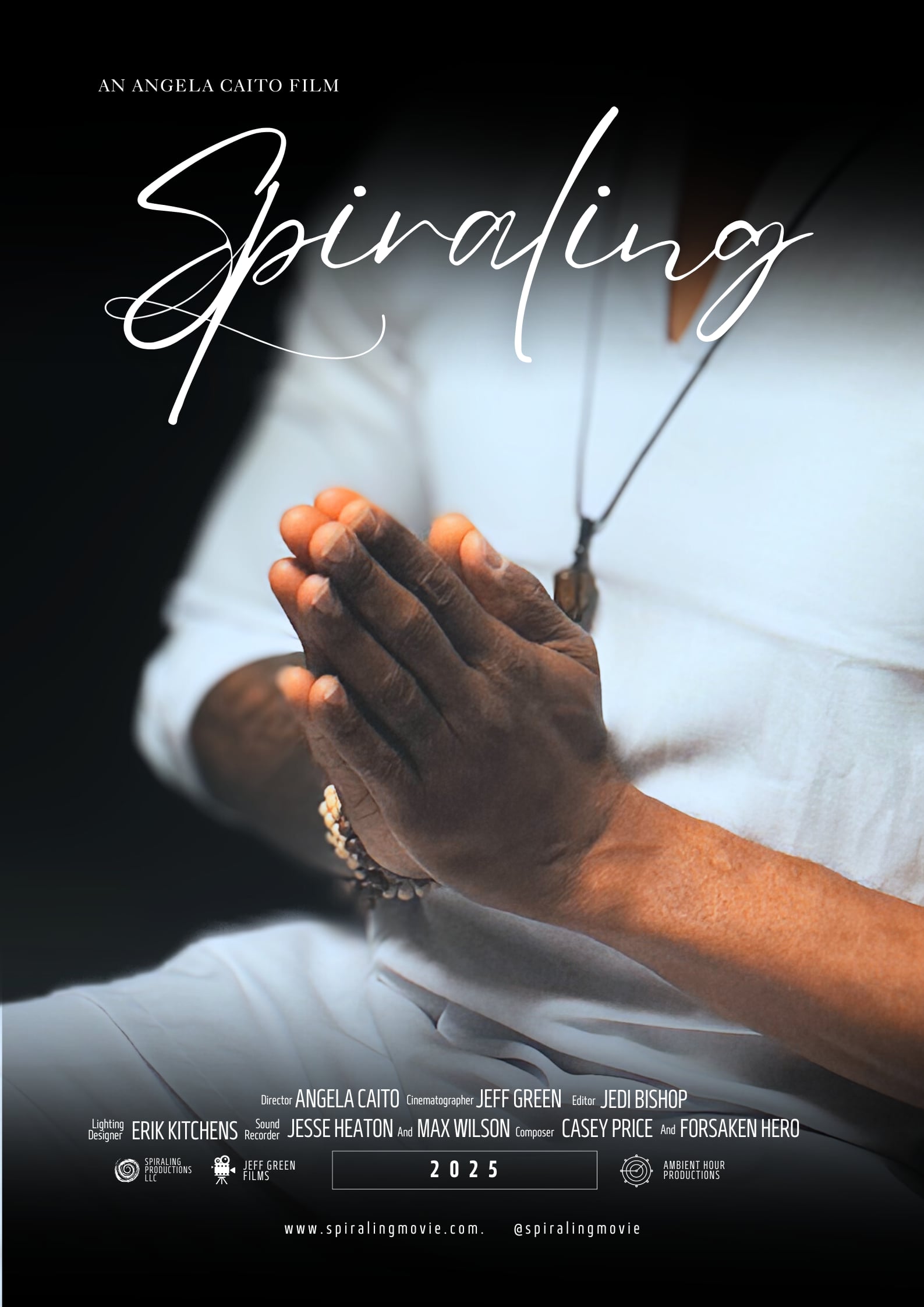
The team is proud to have Jeff Green as the Director of Photography. Green, a Nashville based cinematographer and owner of Jeff Green Films, will ensure a visually compelling and powerful story. Spiraling is being produced in collaboration with Ambient Hour Productions from Athens, TN, further strengthening the film’s creative vision.
“The response that we’ve received from people who have heard about Spiraling has honestly been overwhelming,” said Caito. “This is more than just a movie. It’s a message of hope, healing, and faith. Between the script and talking to people about it, we know that this film will change lives, and we really need the community’s help to make it happen.”
The production team is seeking donors, business sponsors, and faith-based organizations as well as addiction and recovery organizations willing to support the film through funding, partnerships, or in-kind donations.
A Story That Needs to Be Told
With addiction, mental health struggles, and the need for faith-based healing is at an all-time high, and Spiraling is a film that can help spark conversations and offer hope to those who need it the most.
Community support will allow production to move forward in Fall 2025 and will help with ensure that filming stays in the Tri-Cities area of Tennessee. This is an incredible opportunity for local talent and businesses to be involved.
How to Support Spiraling
Individuals and businesses interested in supporting, investing in, or partnering with the film can reach out to Angela Caito for more information.
I’ve been asked so many times, “What inspired me to write Spiraling?” and I’ve always replied by telling people that we all know someone who has struggled with drugs or alcohol. I’ve also mentioned my former husband to a few people. So, today, I wanted to share my inspiration for Spiraling. This is quite a long post.
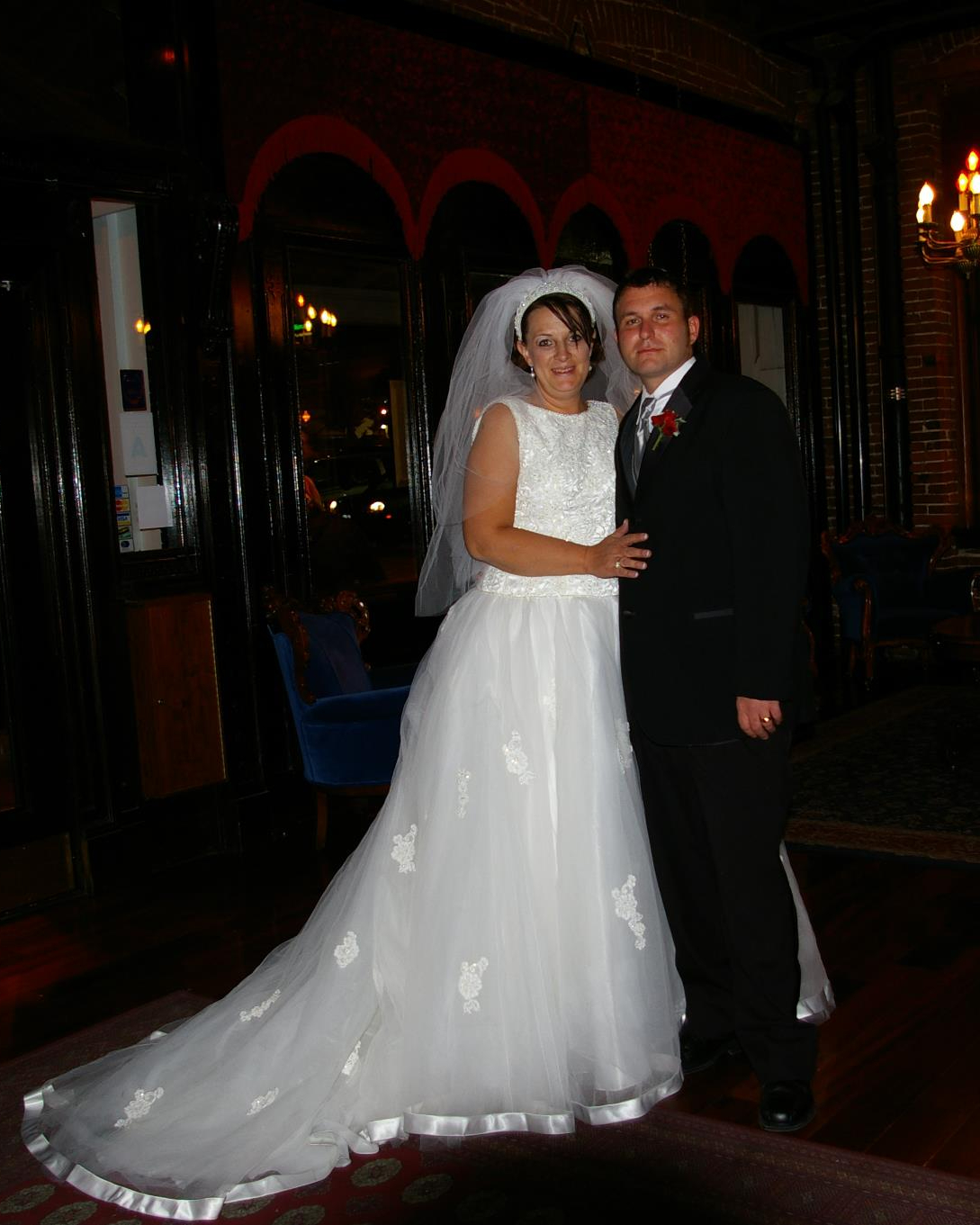
On January 7, 2014, I separated from my husband, Lawrence Anthony Caito. Lawrence was drinking, and I didn’t want to have that around my kids, or in my home. He was not a social drinker. He drank after work in the evenings, heavily, and alone. He tried to hide it from me, but when the slurring and angry rants about his life start, well, you can’t hide that.
So, on January 7, 2014, Lawrence and I (and my kids) said a very sad and tearful goodbye at the bus station, and he went back to live with his family in the Saint Louis area. Separating didn’t mean we didn’t love him. It just meant that his actions and lifestyle would not be tolerated in our home.
We talked every day, although we were separated. I suppose some foolish part of my heart wanted to believe that he would somehow wake up and stop drinking and would just be the amazing guy that he was when sober. That did not happen.
Lawrence had so much anger, as well as feelings of guilt, over his 3-year-old daughter, Mia’s death. She was fatally beaten in January 2012 by her moms new boyfriend. Lawrence had so much inner guilt from that because he blamed himself for not being there to save her. He also blamed God. He would mock me or put me down when I would tell him I was praying for him. He would tell me that if there was a God, he hated him because he let his daughter be murdered.
No matter how many times I tried to tell him that it was not God who chose what happened to Mia, he would not change that opinion.
He couldn’t accept that the only one responsible for what happened to her, was the monster who beat her. So, he drank every night to keep the monsters away and to forget what happened. That’s what he told me, so many times. He also always told me that he hoped he wouldn’t wake up the next day because he couldn’t stand the pain anymore.
He started taking OxyContin a few months after he moved back to live with his family. He lied to someone and told them he had been in a car wreck and hurt his knees. He had not. He admitted that to me. He also had severe hip pain from a previous injury. So, he was prescribed OxyContin for the pain. He failed to tell the doctor he was an alcoholic. Eventually, the prescriptions ran out and he started getting the pills from the streets.
When you’re 600+ miles away, no one wants to listen to you when you try to tell them that someone needs help for drinking and taking pills. Since he only drank and popped pills at night after work, people only saw the good side of him, and that side was kind, amazing, hardworking, and very convincing that he was sober.
I always loved to hear him laugh. He had the best laugh, and his eyes shined so brightly when he smiled.
A couple months later, he added heroin into his drug induced ritual. Alcohol, pain pills, and heroin. He got the heroin from a relative who was using it. He told me all about it. I tried to get his family to do something. I again was told that I was wrong and that they would know if he was doing something like that. Users are often good at hiding their addictions, at least for a little while.
No amount of begging him to go to rehab would work. He did try, once, but he didn’t have insurance, and he didn’t have the money to go.
On January 7, 2015, one year exactly from the date that Lawrence got on a bus and went back to live with his family, he called me one last time. The beginning of the call was as it had been every night for the past year. He has happy and talked about wanting to move back to where my kids and I lived. He even talked about how he wanted to remodel my basement.
Did I mention Lawrence was an incredible carpenter? He could design and build anything that he wanted to build. After an hour on the phone, the typical slurred voice started. I told him I was finished with the call because he was obviously getting messed up and I didn’t want to go through another call listening to an hour or more of his angry drunk rants.
We still talked for another half hour until his voice trailed off after yet another angry rant about how he hated God, and hoped he wouldn’t wake up in the morning. He cried so hard that night, as usual, and said he couldn’t handle the pain.
That was our last call. The call ended at 10:40 PM that night. The next morning, his sister called me to tell me what I had tried to prepare myself to hear for almost daily for the last year, that he had passed away in his sleep. It was a call that I had unfortunately expected. It still hit hard when that day came.
I contacted the coroner a couple weeks later, and I have the death certificate. He passed away from a combination of Fentanyl, OxyContin, heroin, and alcohol. The coroner said all four had been in his system at the time of death. When I talked to the coroner, he told me that even with the amounts of everything combined, it was most likely the Fentanyl that caused him to pass away.
I doubt that Lawrence knew he was taking Fentanyl. Either way, he knew he was getting messed up. He knew he had a problem. He knew he was an alcoholic and addicted to pain pills. He knew he needed help. He knew how dangerous what he was doing could be.
Unfortunately, for Lawrence, everything spiraled out of control before he could get the help that he needed.
I wish it could have ended differently, but for Lawrence, it’s too late.
If you, or someone you love, has an addiction to drugs or alcohol, PLEASE reach out for help. As long as you’re alive, it is not too late to change your path! There are people who love you, even if you don’t believe that. Life is short. Love big. Work hard to get better. Just live. Take things one day at a time. Life is not a marathon and it isn’t a competition. You are not the mistakes that you’ve made. God is always there for you. Please, ask for help. Don’t let your life spiral out of control. YOU ARE WORTH IT!!
The song in the video is “Drive By” by Train. It was a song that Lawrence always played (and sang!) to tell me he would be with me forever.
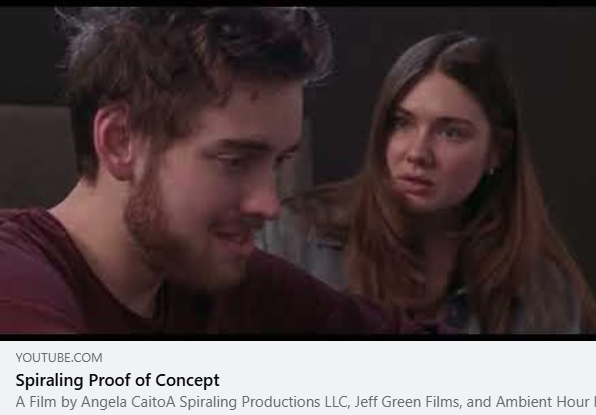
We’re beyond excited to share the proof of concept for Spiraling with you TONIGHT at 7:00 PM EST on YouTube!
This short film is a glimpse into the heart of the feature film we’re working to bring to life. It’s designed to show the powerful story of redemption, faith, and hope that Spiraling will deliver—and to kick off our funding efforts for the full-length movie.













 Tonight’s the Night!

